How to plan meals for a vacation rental with a small kitchen
· Editorial team orlandonewsdaily7.com
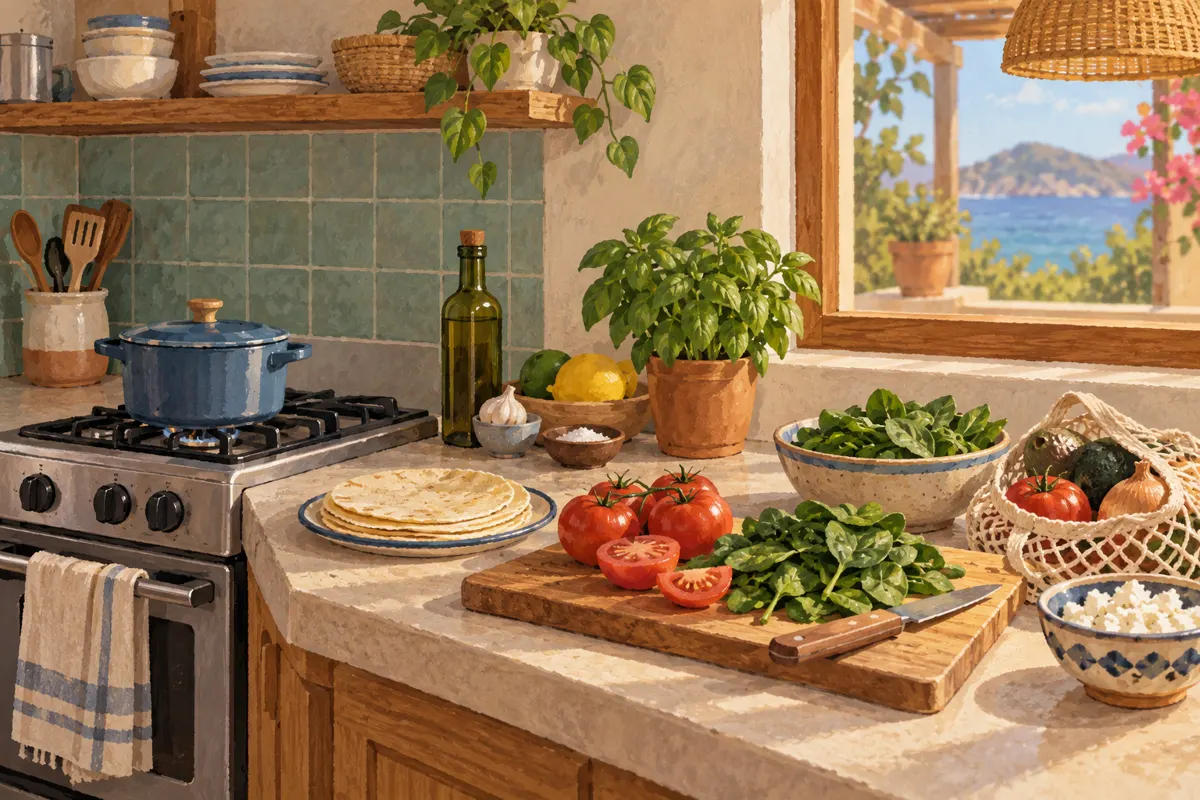
Plan meals around the equipment your vacation rental actually has, reuse a small set of ingredients, and shop only for the meals you expect to eat there. In a small kitchen, a manageable menu is more useful than an ambitious one. The proposed approach below combines simple breakfasts, flexible lunches, and dinners that need little equipment or counter space.
Check the kitchen before choosing meals
A listing that says “kitchen” may leave practical questions unanswered. Before you build a menu, check the listing photos and equipment details. Ask the host about anything essential to your planned meals, especially whether there is a full stove, an oven, or only a microwave.
- Cooking equipment: burners, microwave, oven, toaster, and kettle.
- Cookware: a usable pot, frying pan, and baking tray if you want oven meals.
- Preparation tools: knife, cutting board, can opener, and cooking utensils.
- Storage: refrigerator size, freezer space, and food containers.
- Cleanup supplies: dish soap, sponge, and dish towels.
Match each dinner to confirmed equipment. If there is no baking tray, leave sheet-pan meals off the menu. If there is only one pot, choose dishes that do not require pasta, sauce, and vegetables to cook separately. Treat pantry basics as unavailable unless the host confirms them.
Count the meals you will actually eat in
Start with your itinerary rather than a full weekly menu. Count breakfasts at the rental, lunches you intend to pack, and evenings when cooking sounds realistic. Leave room for restaurant meals and changes of plan. An arrival-night dinner should involve especially little preparation.
- Write down the meals you expect to prepare at the rental.
- Check everyone’s dietary needs and choose options the group can share.
- Pick one repeatable breakfast and one flexible lunch.
- Choose a few simple dinners, plus a meal that needs no cooking.
- Decide which meals can use remaining ingredients toward the end of the stay.
For breakfast, a proposal is yogurt, fruit, and oats, with toast if a toaster is available. Repeating breakfast keeps shopping simple without requiring everyone to eat the same toppings.
Choose meals that share ingredients
Give each perishable ingredient more than one planned use. Tortillas can become lunch wraps or accompany an egg dinner. Tomatoes and spinach can go into wraps, pasta, or scrambled eggs. Choose a smaller selection you will finish instead of buying different vegetables for every recipe.
- One-pot tomato and spinach pasta, using a recipe designed for one-pot cooking.
- Bean wraps with tomatoes, spinach, and cheese.
- Scrambled eggs with spinach, served with tortillas or toast.
One-pot meals and breakfast for dinner are useful starting points for vacation cooking. Mountain Springs Lake Resort also suggests sheet-pan meals; those are an option when your rental has an oven and a suitable tray. Keep the choice tied to the kitchen you have. Vacation meal ideas from Mountain Springs Lake Resort
Build a short shopping list from the menu
Write the shopping list after choosing meals. For each ingredient, note how many people it needs to serve and how many meals will use it. Check package sizes against those needs, particularly for ingredients you cannot easily take home.
- Breakfast: yogurt, fruit, and oats.
- Meal bases: pasta and tortillas.
- Proteins: eggs and canned beans.
- Vegetables: tomatoes and spinach.
- Extras: pasta sauce, cheese, and any confirmed missing cooking basics.
Adjust quantities to your group and stay length. If refrigerator space is uncertain, make a modest first shop after arrival. A later top-up lets you respond to changed plans and see what you actually have room to store.
Keep preparation and cleanup manageable
Before cooking, clear one working area and set out only what that meal needs. Prepare vegetables before putting cookware on the stove, and return ingredients to storage as you finish with them. In a cramped kitchen, one person preparing food while another sets the table may work better than several people cooking together.
Keep your no-cook option available for a late return or a tired evening. Before the final grocery trip, check what remains and plan the last meals around it. The aim is to finish the stay with a few useful basics, a manageable cleanup, and less unused food.