How to keep roasted vegetables from turning soggy
· Editorial team orlandonewsdaily7.com
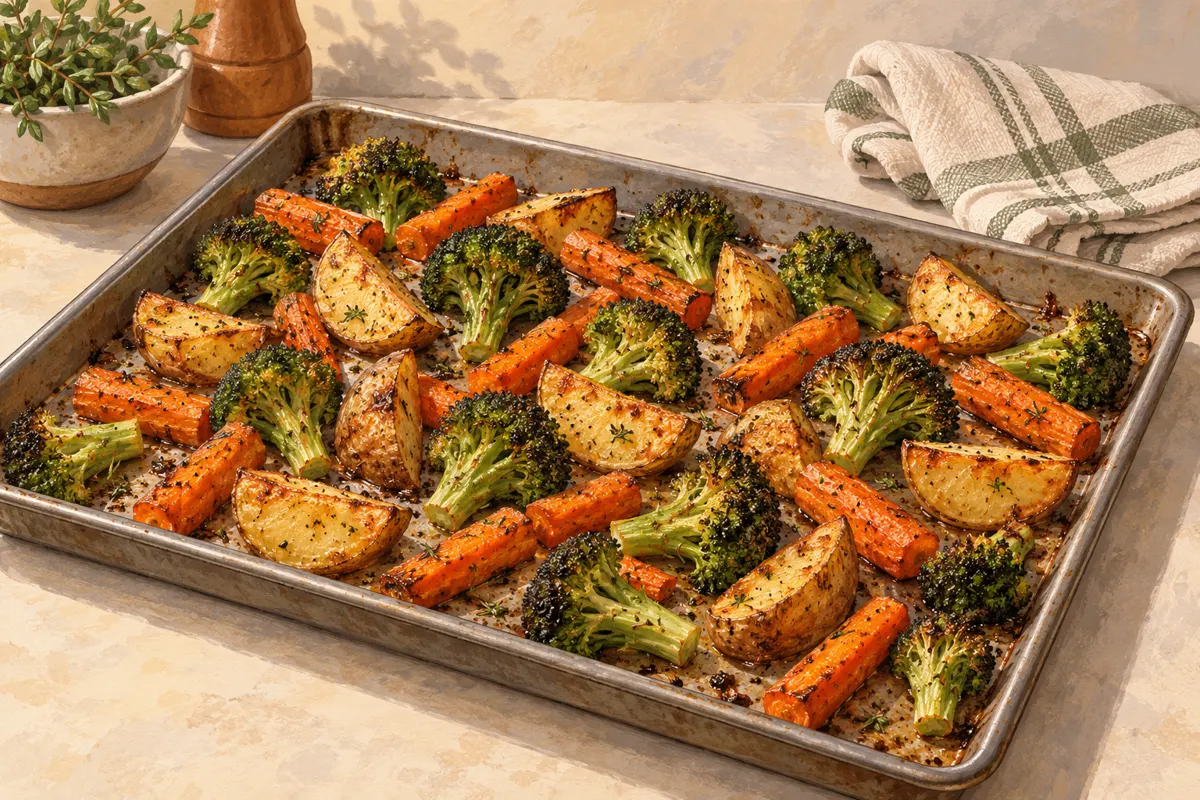
To keep roasted vegetables from turning soggy, dry them thoroughly, cut similar vegetables into even pieces, and spread them in a single layer with space between them. Roast in a fully preheated oven at 425°F, and cook vegetables with different roasting times separately. These steps help moisture escape while the surfaces brown.
Dry vegetables before adding oil
Water left on washed vegetables adds moisture to the pan and encourages steaming. Before seasoning, use a clean kitchen towel to dry the vegetables thoroughly. Pay attention to broccoli and cauliflower florets, where droplets can remain tucked between the branches. Oil should coat the vegetables after this drying step.
- Wash the vegetables, drain them, and pat away visible water.
- If potatoes have been soaking in water, dry them thoroughly before roasting.
- For zucchini or summer squash with a large, seedy center, remove that watery core before cutting.
Zucchini and other softer vegetables will still have a more tender texture than potatoes or Brussels sprouts. Removing excess water improves their chances of browning, but the goal is browned edges and a tender center, rather than making every vegetable equally crisp.
Cut even pieces and separate cooking times
Keep pieces of the same vegetable roughly equal in size. A pan of uneven carrot chunks can leave you choosing between hard large pieces and overcooked small ones. Similar cuts make it easier to judge when the whole batch is ready.
Equal size does not mean different vegetables will finish together. Dense potatoes generally need longer than asparagus or sliced zucchini. Separate pans give you control: remove the quicker vegetables when they are done and let the slower batch continue roasting.
- Asparagus may take about 10–15 minutes at 425°F.
- Broccoli florets may take about 20–25 minutes.
- Potatoes and sweet potatoes may take about 30–40 minutes.
Treat these times as guides and check the vegetables themselves. If using one pan, start the slower vegetables first, then add the quicker ones later, keeping enough space for everything.
Give vegetables room on a shallow pan
Use a large, shallow rimmed baking sheet. Deep casserole dishes can trap moisture around the vegetables. Spread the pieces in one layer, with visible gaps between them, instead of piling them up or letting them overlap.
If the pan looks crowded before it enters the oven, divide the vegetables between two pans or roast in batches. Extra cooking time cannot fully compensate for a pile of vegetables steaming together.
Toss with enough oil to coat the surfaces evenly without leaving the vegetables swimming in it. California Grown suggests about one tablespoon of olive oil per two cups of prepared vegetables as a starting point. Adjust the coating as needed; mushrooms and eggplant may absorb more oil.
Preheat fully and check for browning
Preheat the oven to 425°F before putting the vegetables in. Both supplied cooking guides recommend this temperature for developing browned edges. High heat works best alongside dry vegetables and an uncrowded pan.
- Preheat the oven while you wash, dry, and cut the vegetables.
- Toss the prepared pieces with oil, salt, and pepper.
- Arrange them in a single layer with gaps between pieces.
- Roast, turning the pieces about halfway through their expected cooking time.
- Remove each batch when the edges are browned and the centers are tender.
If carrots are still hard, check their tenderness and continue roasting. If softer vegetables sharing the pan are already done, remove those first. This avoids sacrificing one vegetable’s texture while waiting for another to finish.
Finish and reheat with texture in mind
Add dressings after roasting, or serve sauces and dips alongside the vegetables. Lemon juice, fresh herbs, or a little balsamic vinegar can finish the dish without complicating the basic roasting method.
For leftovers, use an oven, skillet, or air fryer when texture matters. Spread vegetables out again rather than crowding the pan or basket. A microwave is convenient, but it can leave roasted vegetables softer. Reheating may improve their edges, though it cannot undo vegetables that were overcooked during the first roast.