How to host a cookbook club with friends
· Editorial team orlandonewsdaily7.com
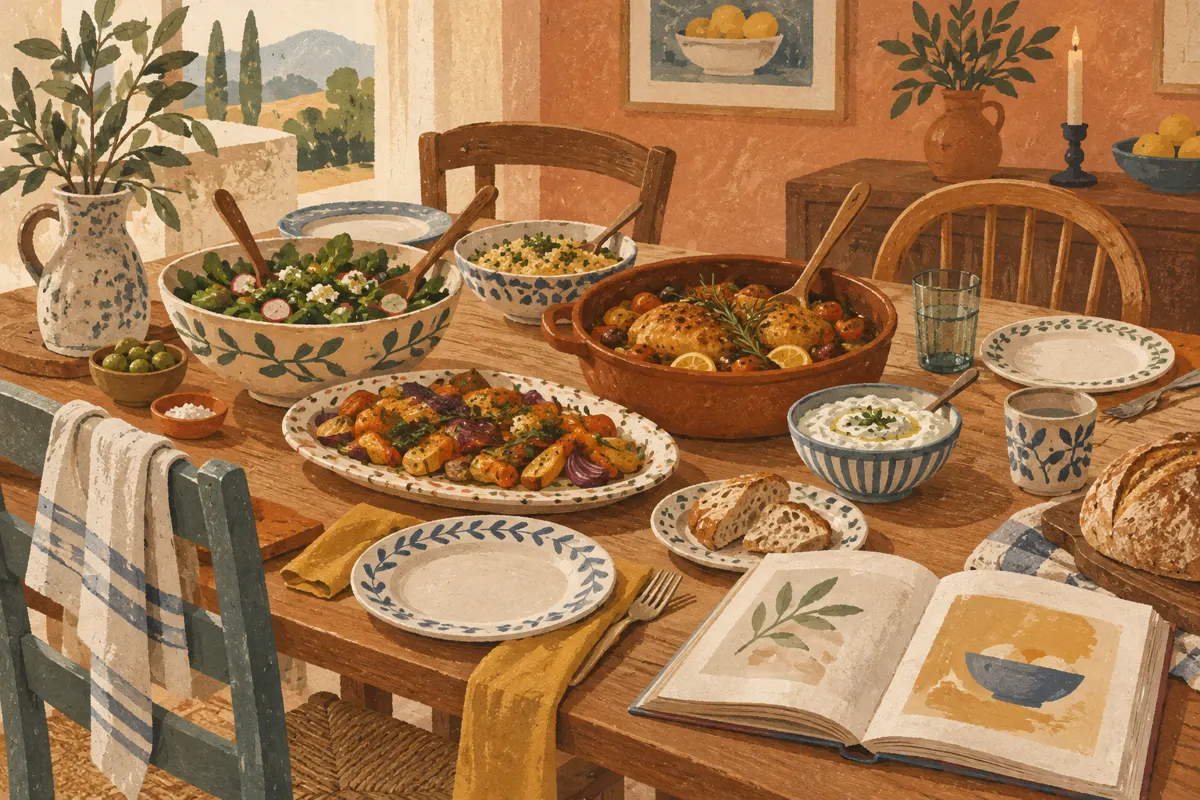
To host a cookbook club, choose one cookbook, have each friend prepare a different recipe, and gather to share the dishes and discuss the book. A shared sign-up keeps the menu balanced, while a little planning for reheating and serving makes the evening easier on the host. Everyone can join with curiosity, regardless of cooking experience.
Choose a manageable first gathering
Our proposal for a first meeting is four to six friends, each bringing one dish. Start with the people who can comfortably fit around your table and share your kitchen space. Treat the first dinner as a chance to find a format everyone enjoys before committing to a regular schedule.
Send a few possible dates in a group chat, then confirm the location and arrival time. Explain whether guests should bring finished food or expect to cook together. Preparing dishes at home is a useful starting format; cooking together needs more coordination around counters, burners, and equipment.
Make room for friends who cannot cook that week. They can help set the table, bring drinks, or join the conversation. Agree on these alternatives in advance so attending does not feel like an assignment with a deadline.
Pick a cookbook everyone can use
Ask for a few suggestions, then choose together. An older favorite is just as suitable as a recent release. Look for a book with enough variety to build a meal, ingredients your group can obtain, and recipes that suit different levels of confidence. Consider the season and any dietary requirements before deciding.
- Can everyone access a copy through borrowing, sharing, or buying?
- Are there suitable dishes for everyone’s dietary needs?
- Do the recipes fit the group’s available time and equipment?
- Does the book include introductions or stories you would enjoy discussing?
A baking book can work too: make the gathering an afternoon of desserts rather than forcing it into a dinner format.
Assign recipes and check the whole menu
Create a shared document where guests claim recipes. Include the recipe name, page number, contributor, dish category, and any finishing needs. Let people choose something they want to cook, then look over the complete menu together to catch duplicates or gaps.
- Collect dietary restrictions before anyone chooses a recipe.
- Invite each person to claim a different dish and state how many servings they plan to bring.
- Check that the spread has a satisfying main dish, complementary sides, and dessert if wanted.
- Record oven, refrigerator, and last-minute assembly needs.
- Confirm who will provide drinks and serving utensils.
Ask guests to flag ingredient substitutions, especially when they affect another guest’s dietary needs. If several dishes require the oven just before serving, adjust the menu or agree on a finishing order ahead of time.
Prepare the space for a shared meal
Read your own recipe fully and complete as much preparation as practical before guests arrive. Clear a landing spot for dishes, leave room in the refrigerator, and set out plates, glasses, utensils, and trivets. Keep decorations small enough that the food can comfortably share the table.
- Bring the dish in a container suitable for its planned reheating or serving.
- Bring a serving spoon or other utensil it needs.
- Tell the host about any changes to the recipe or finishing plan.
- Bring a container if you would like to take home shared leftovers.
Discuss the book as well as the dishes
Once everyone is eating, invite each cook to introduce their dish. Talk about what surprised them, which instructions helped, and what they might change next time. Keep it conversational: a recipe that proved difficult can give the group plenty to discuss.
Our proposal is to ask everyone to read their recipe’s introduction and one other passage before the gathering. This gives the conversation a way into the author’s stories and cooking traditions. Refer to what the author actually explains, and distinguish those accounts from your own impressions.
- What did the author’s story add to your understanding of the dish?
- Which ingredient or technique was unfamiliar to you?
- Did cooking the recipe change how you understood the instructions?
- Which dish would you make again, and why?
Over dessert, choose the next book and a possible date. Keep a running list of suggestions and agree on a meeting rhythm that fits the group. Rotating hosts is another proposal to share the work.